In a few words
Collect for the connection, and give the pieces room to tell their story.
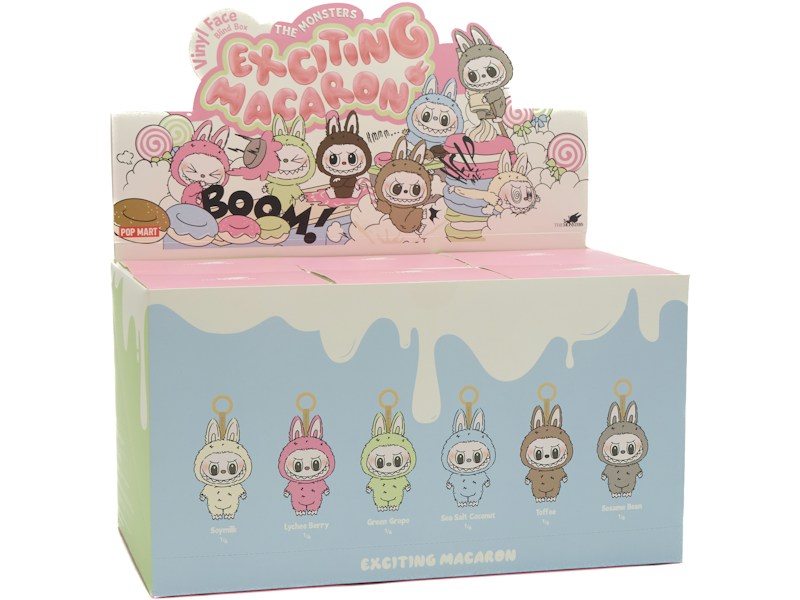
5 chapters · 4 minutes · A little perspective to take with youA collection can begin with something very small: a character that makes you smile, an object from a trip, a gift that becomes the start of a shelf. The most interesting collections are not necessarily the biggest or the rarest. They reveal what their owner notices.
Once you begin looking for the next piece, it can help to set a few boundaries. Not to make collecting serious, but to keep it enjoyable. Think about what draws you in, how you want to live with the objects, and what you would still appreciate if nobody else saw the display.
01 · Find the thread that connects it
Your theme does not need to be strict. It might be a character, a color palette, a particular artist, or a memory attached to each piece. Look at the objects you already enjoy and ask what they share. That small observation can become a useful filter when something new catches your eye.
Leave room for exceptions. A collection can have a point of view without becoming a checklist you are obliged to complete. If a piece does not fit the theme but means something to you, that personal connection is part of the story rather than a mistake in the system.
02 · Set boundaries before the search
Decide on the space and the amount you are comfortable spending. Physical boundaries can be especially helpful: one shelf, a small cabinet, or a corner of your desk gives the collection a natural scale. You can change that limit later, but start with something clear.
Be careful about turning the search into an obligation. A missing variation does not have to become an urgent problem, and a limited release does not have to be yours. If a purchase is based mainly on the fear of an incomplete set, give yourself time to decide whether you actually like the object.
A THOUGHT TO KEEPCollect for the connection, and give the pieces room to tell their story.
THE STOZ PERSPECTIVE
03 · Know what you are adding
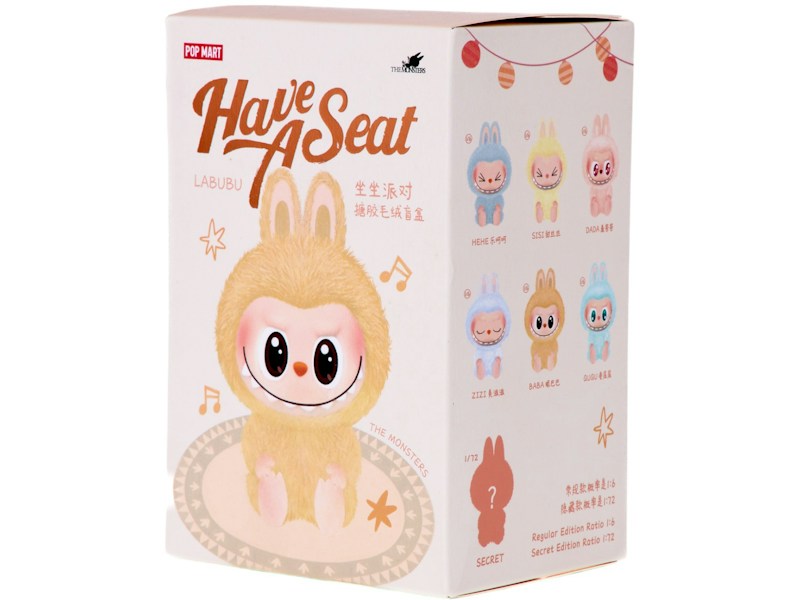
Read descriptions closely, especially for blind boxes or items offered without their original packaging. Understand whether you are buying a specific piece or a sealed assortment with an uncertain result. Check condition and included accessories rather than assuming the photograph tells the whole story.
Keep useful information after a purchase: the item name, where it came from, and any care instructions. You do not need a museum catalog. A simple note can help you avoid duplicates and remember why a particular object joined the collection. For gifts, the story can matter more than the details on the box.
04 · Display with a little space
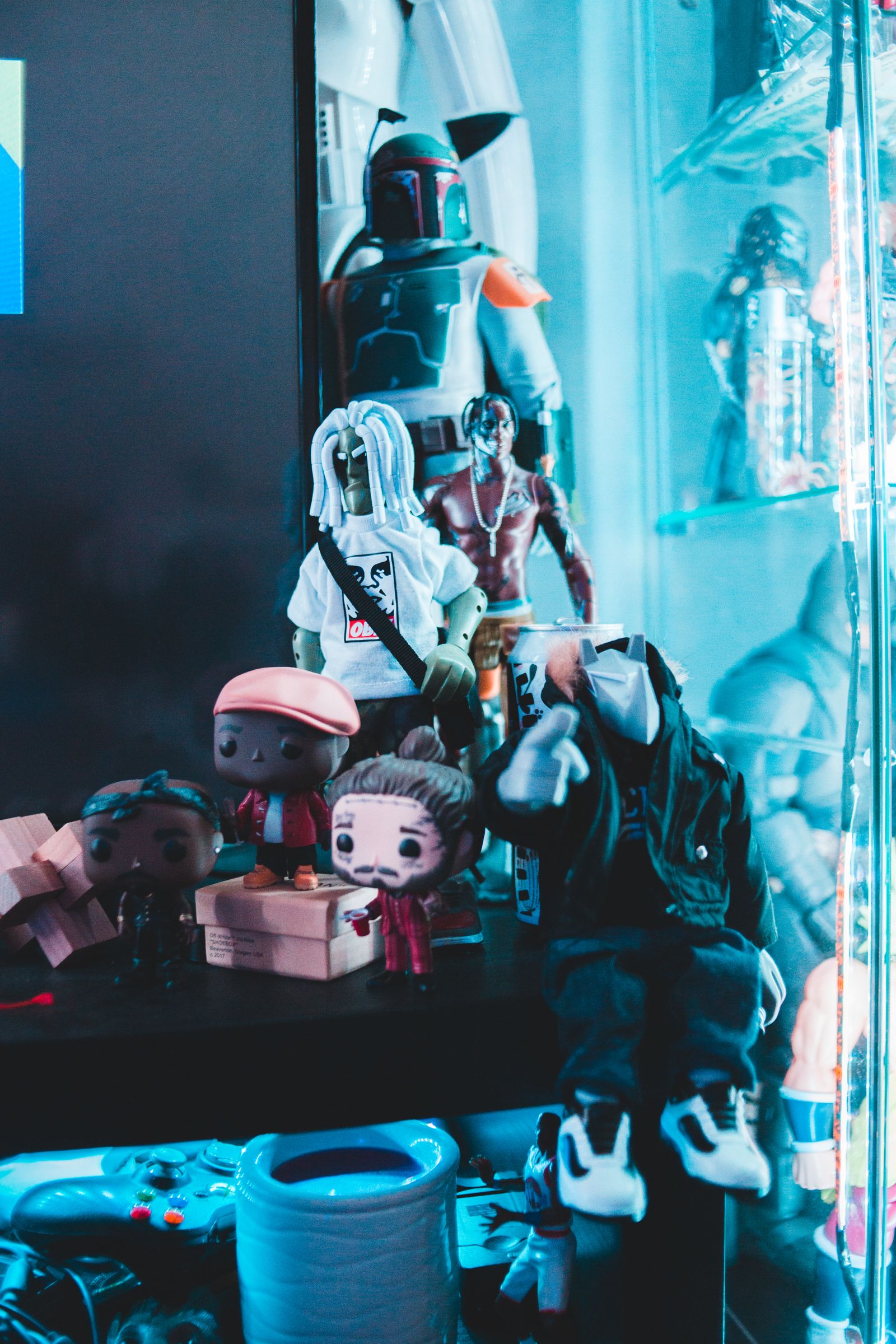
Start by placing fewer pieces together than you think you need. Leave room around a favorite so its shape and details are easy to see. Try small groups and different heights using stable supports appropriate for the objects. A display should be secure before it is photogenic.
Consider the environment as well as the arrangement. Follow the maker’s guidance on sunlight, moisture, cleaning, and handling. Keep small or fragile objects out of reach where that is appropriate for your household. The best display is one that lets you enjoy the collection without worrying about it every day.
05 · Refresh the shelf, not always the collection
When a display begins to feel familiar, rearrange it before shopping for another piece. Swap the focal point, group objects by color, or bring something out of storage. Changing what you notice can restore the pleasure of a collection you already own.
From time to time, review what still feels meaningful. It is fine for your taste to change. You can keep a small core, store a few pieces safely, or decide that something has had its moment with you. Collecting is most rewarding when it supports curiosity, not when maintaining the collection becomes the main job.
Your quick checklist
- Choose a theme loosely enough to leave room for personality.
- Set a space and spending boundary in advance.
- Rearrange what you own before adding more.
Collect for the connection, and give the pieces room to tell their story.
Keep exploring, stay curious, and make your rotation your own