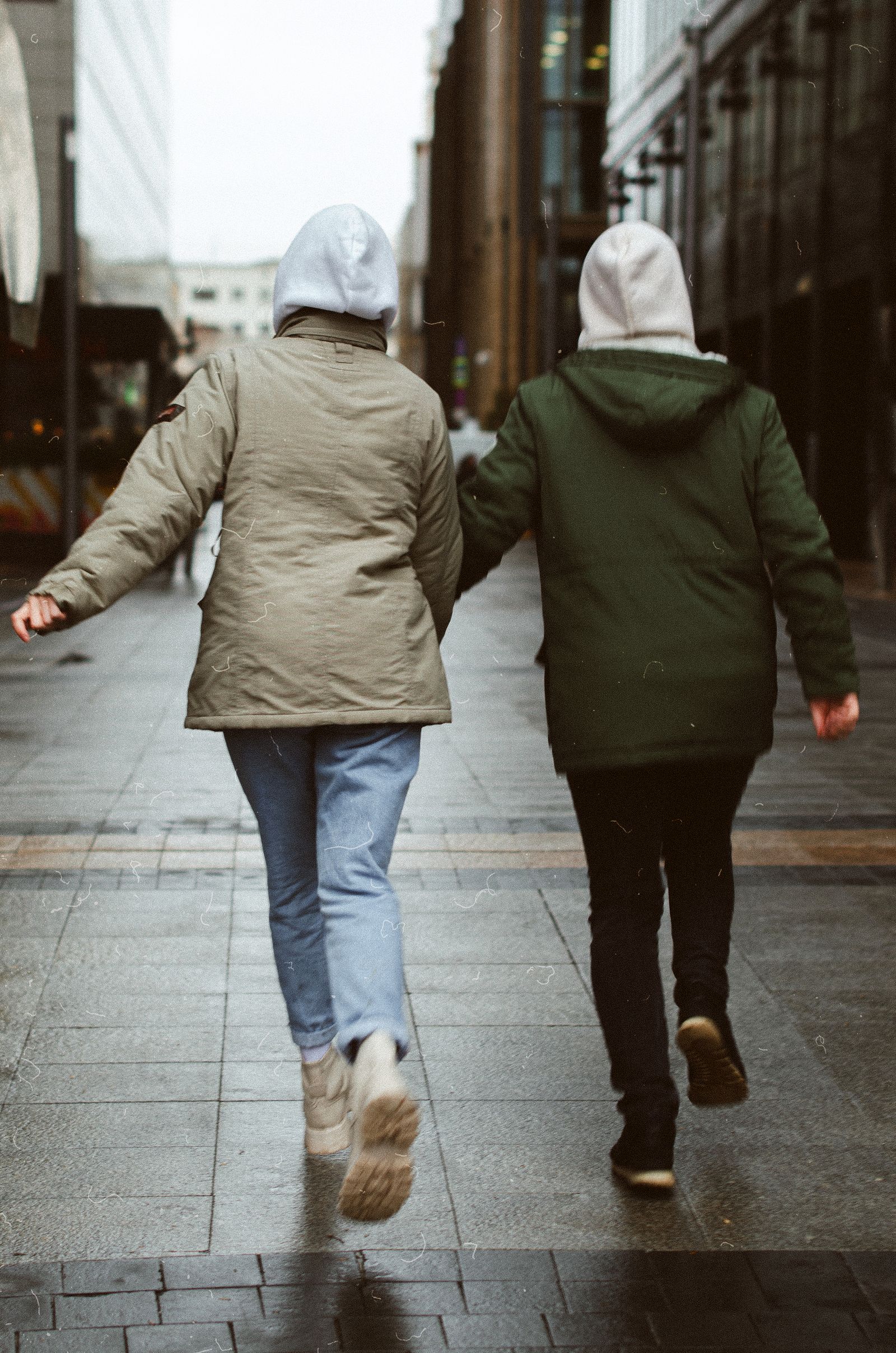
In a few words
A lighter bag starts with pieces that work harder together.
3 chapters · 2 minutes · A little perspective to take with youPacking becomes easier when you stop planning a separate outfit for every possible moment. A weekend usually needs a few dependable combinations and enough flexibility for the weather. Start with the plans you know, then leave a little room for the unexpected.
Lay everything out before it goes into the bag. Seeing the pieces together makes duplication obvious. Two layers that do the same job are often less useful than a single layer and the small practical items you might otherwise forget.
01 · Start from the ground
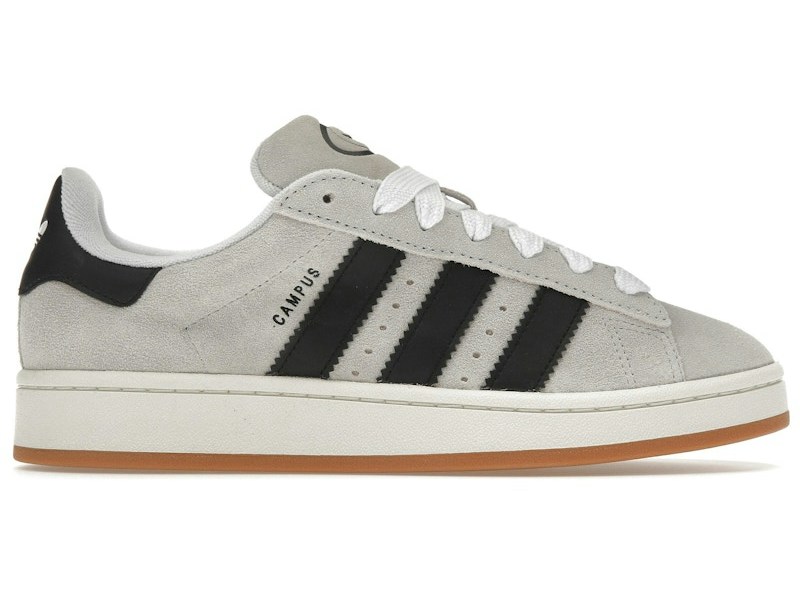
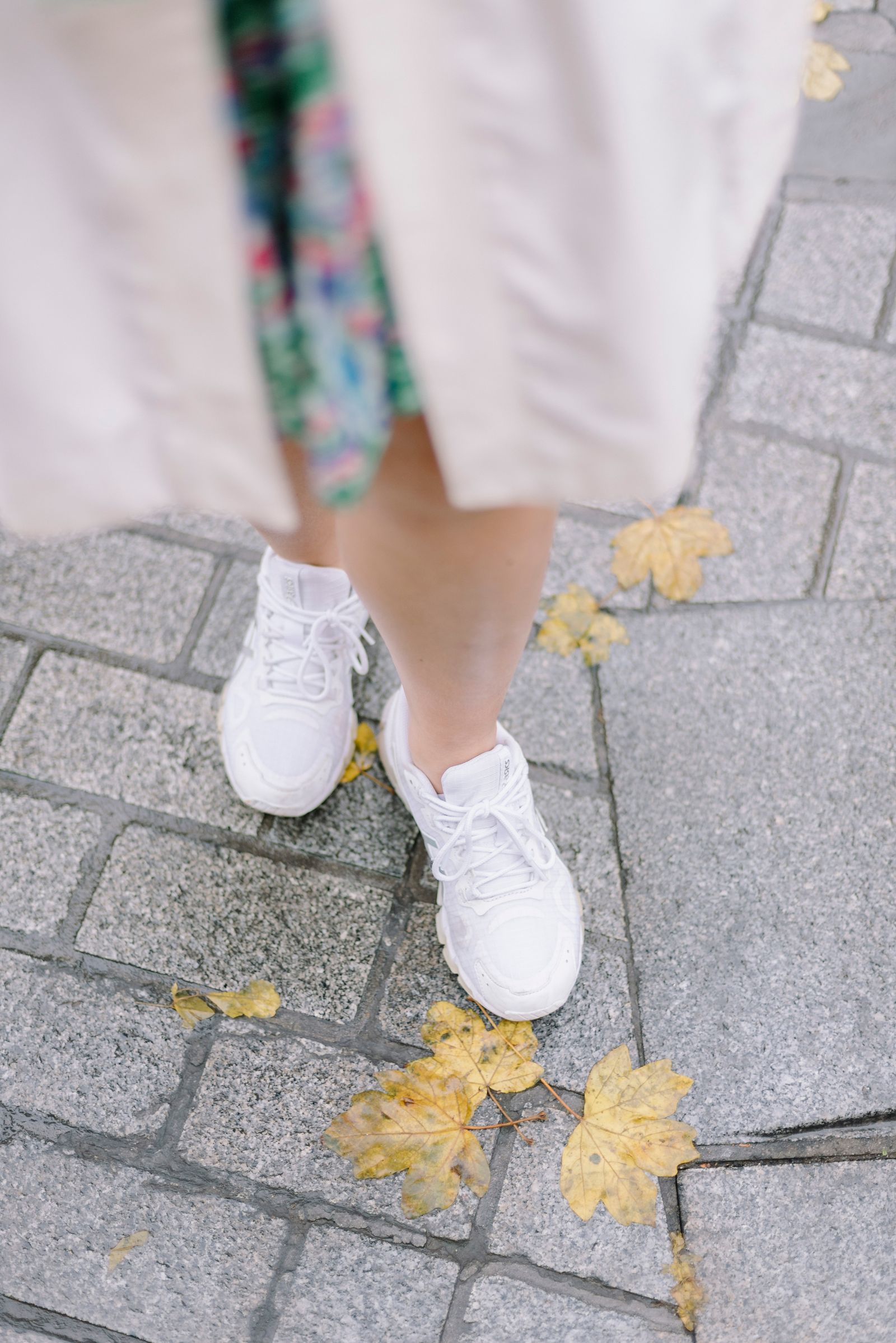
Choose shoes you have already worn comfortably for the kind of day you expect. A trip is an inconvenient moment to discover that a new pair only works for a short walk. Check the forecast and the activities on your list rather than packing solely around a photograph.
If you need a second pair, give it a clear purpose. That might be a specific activity or a different level of formality. If the second pair simply repeats the first, try the outfits with one pair before deciding the extra space is worthwhile.
02 · Let the pieces share a palette
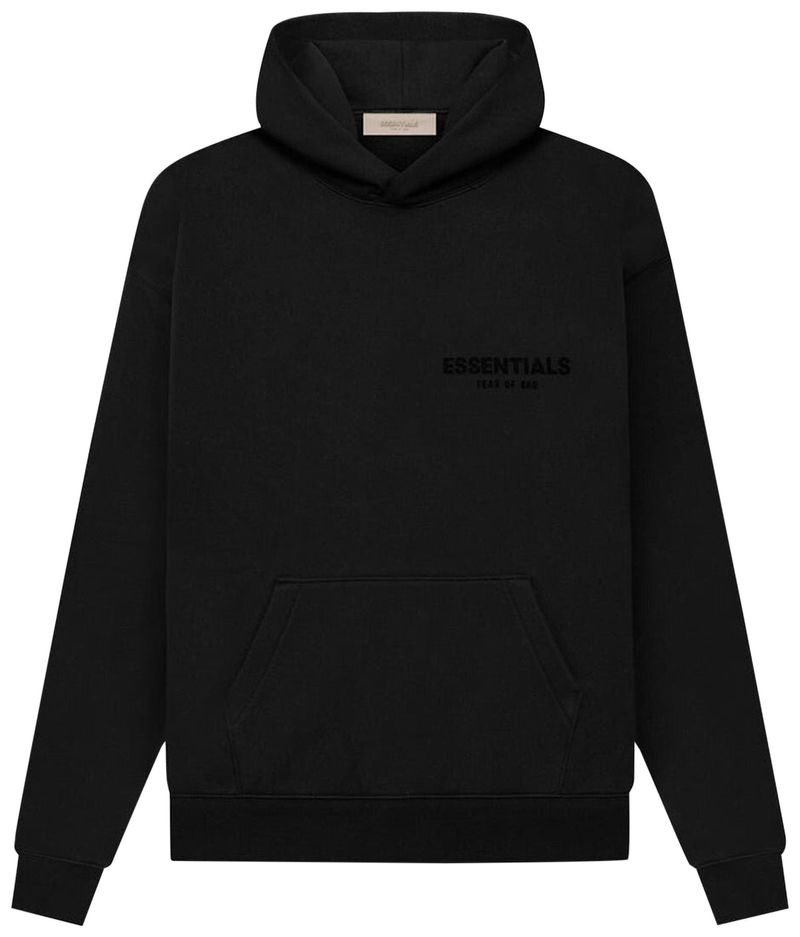
Choose trousers, tops, and a layer that can be rearranged without much thought. You do not need everything in one color. A few colors you already enjoy together will make it easier to change a shirt or add warmth without rebuilding the outfit.
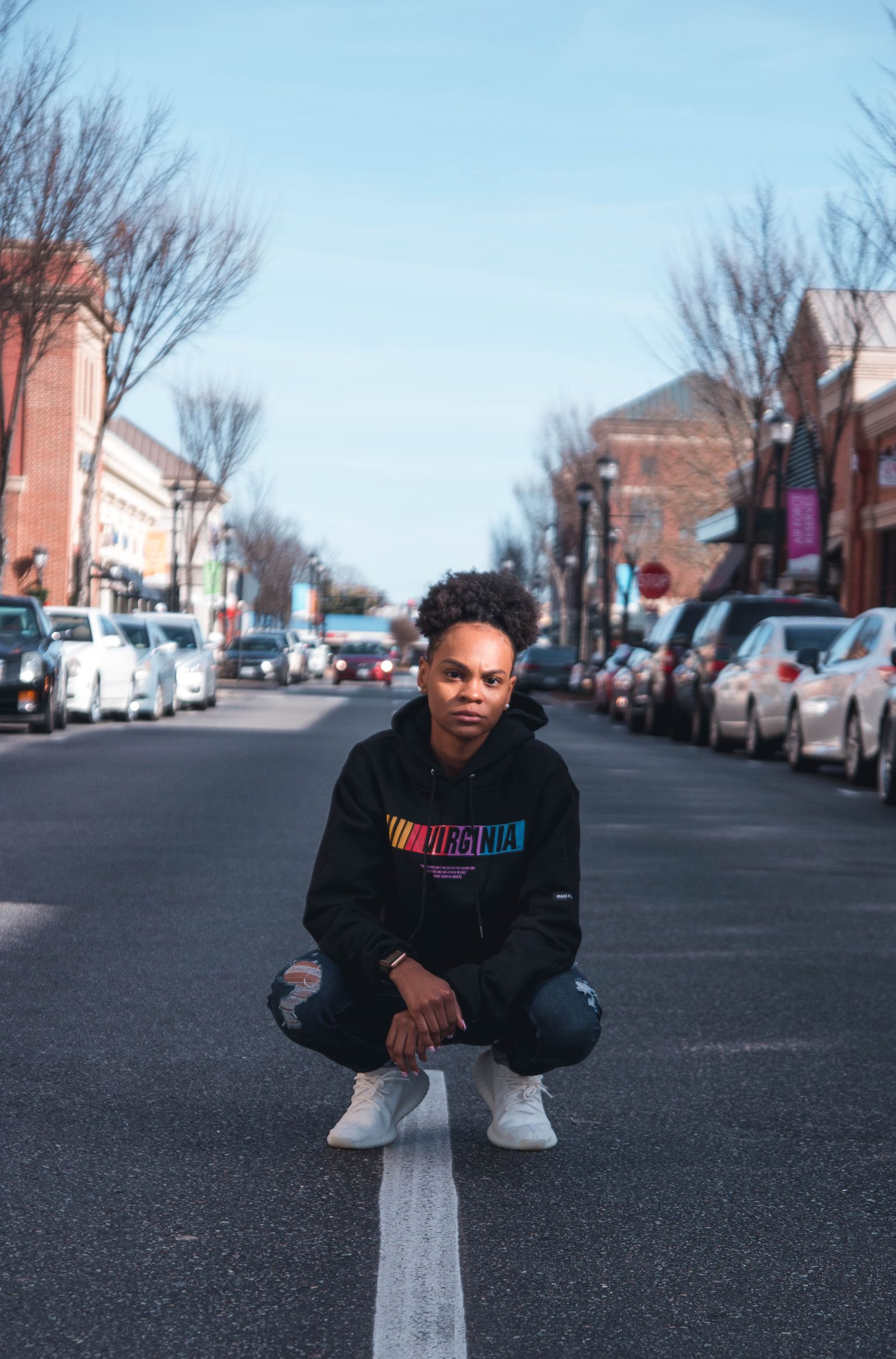
Check the combinations in daylight if you can. Similar dark shades can look different outside, and a textured layer may bring enough interest without an extra patterned piece. Keep the choices personal; a practical bag should still feel like your clothes.
A THOUGHT TO KEEPA lighter bag starts with pieces that work harder together.
THE STOZ PERSPECTIVE
03 · Do one last edit
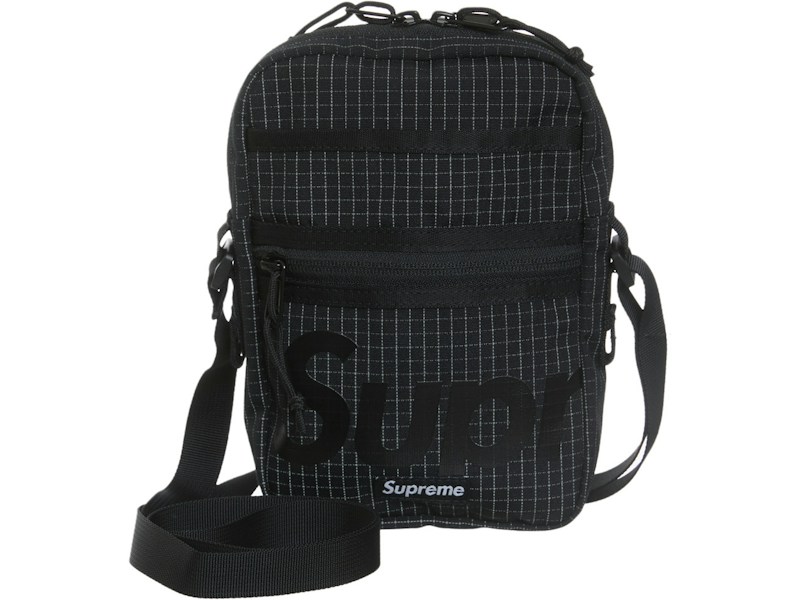
Pack the essentials first, including the everyday items that are easy to overlook when you are thinking about outfits. Protect clean clothes from shoe soles with a suitable bag, and make sure anything damp can be kept separate until it dries.
Remove one just-in-case piece and see if the plan still works. If it does, you have probably found room for something more useful—or simply made the bag easier to carry. Keep a short note after the trip about what you used. Your next packing list will be better for it.
Your quick checklist
- Pack for your actual plans and forecast.
- Make every extra pair earn its space.
- Write down what you used after the trip.
A lighter bag starts with pieces that work harder together.
Keep exploring, stay curious, and make your rotation your own